Referral Toolkit for Schools, Clinics, and Employers
Comprehensive Healthcare Referral Toolkit for Schools, Clinics, and Employers: Streamlining Patient Engagement and Collaboration
By Dr Charan Singh, Prismpath Health
In the evolving landscape of healthcare, effective communication and collaboration are paramount, especially within schools, clinics, and workplaces. The Referral Toolkit serves as a vital resource, enhancing patient engagement and streamlining referral processes across these sectors. This article delves into the multifaceted benefits of the Referral Toolkit, exploring its impact on health engagement in schools, clinics, and workplaces. Readers will gain insights into how these toolkits facilitate seamless healthcare referrals and foster collaboration among various stakeholders. By addressing common challenges in patient engagement, this toolkit offers practical solutions that can significantly improve health outcomes. We will cover the toolkit’s features, benefits for clinics, employer applications, and essential partner resources.
Developing a robust and efficient referral system is crucial for achieving these comprehensive healthcare goals.
Comprehensive Referral System Development & Efficiency
The intervention involved developing a comprehensive referral system incorporating technology development, improved accessibility, orientation materials, internal training, policy formulation, criteria definition, and tailoring acceptance criteria to specialty programs.
Referral process enhancement: Innovative approaches and best practices, ALM Mansour, 2024
How Does the Referral Toolkit Enhance School Health Engagement?
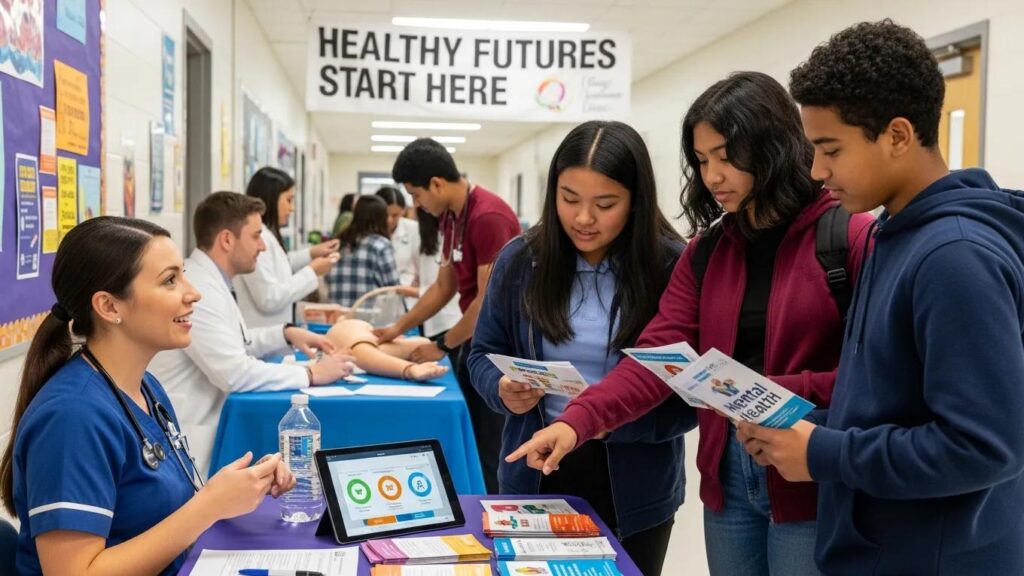
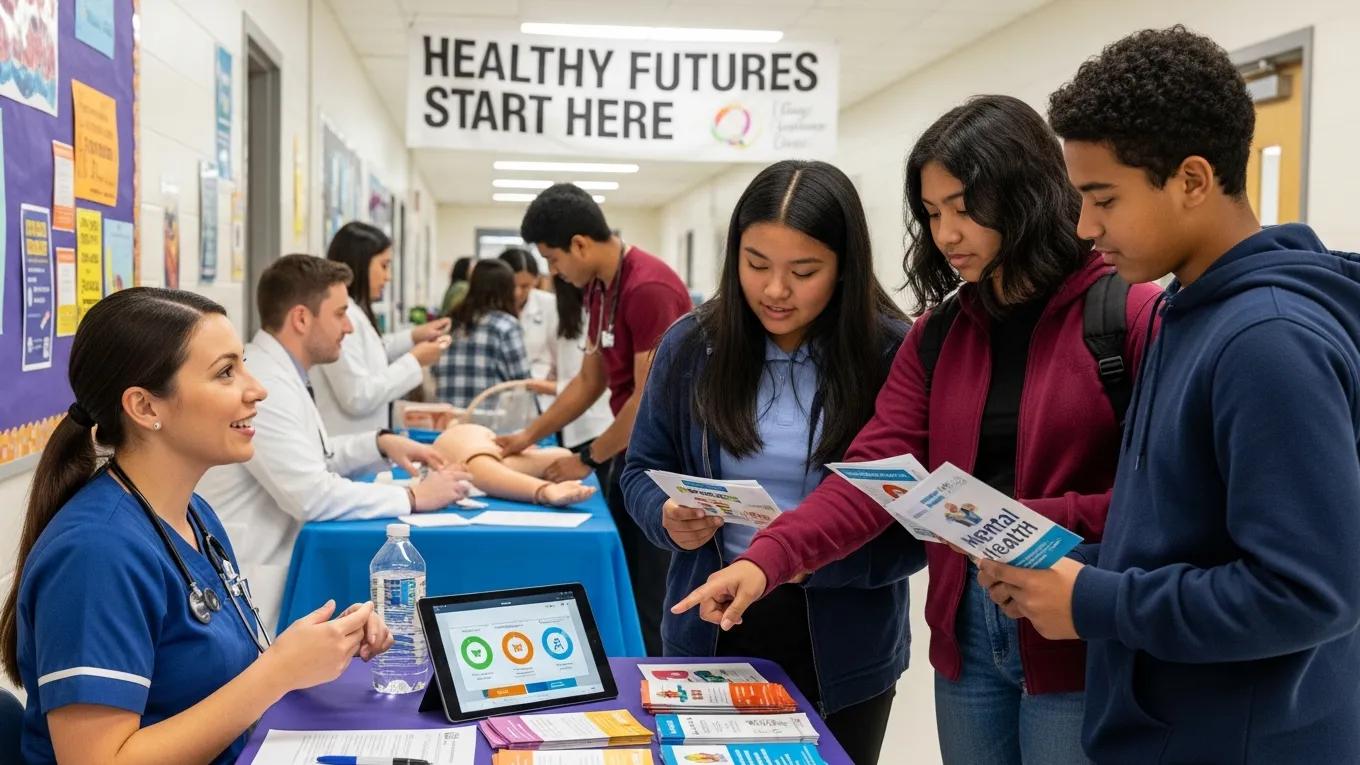
The Referral Toolkit enhances school health engagement by providing structured pathways for students to access necessary healthcare services. This toolkit facilitates communication between educational institutions and healthcare providers, ensuring that students receive timely and appropriate care. By streamlining referral processes, schools can significantly improve student health outcomes and foster a supportive environment for mental and physical well-being. The integration of these systems promotes collaboration, ultimately leading to better health management for students.
Such structured pathways are often supported by dedicated intervention and referral services within educational settings.
School Intervention & Referral Services for Student Health
One of the primary purposes of the Intervention and Referral Services (I & RS) process is to assist school staff in addressing students’ learning, behavior, or health needs (N.J.A.C. 6A:16-7.1 [a]).
Utilization of a school specific intervention manual to increase teacher perceptions of the I&RS process and reduce special education referrals, 2017
What Are the Key Features of School-Specific Referral Workflows?
School-specific referral workflows are designed to cater to the unique needs of educational institutions. Key features include:
- Customization for School Needs: Workflows can be tailored to address specific health concerns prevalent in the student population.
- Integration with Existing Health Services: The toolkit seamlessly connects with current health services, ensuring a comprehensive approach to student health.
- User-Friendly Interfaces: Intuitive designs make it easy for school staff to navigate and utilize the referral processes effectively.
These features collectively enhance the efficiency of health engagement in schools, ensuring that students receive the care they need promptly.
How Do Engagement Tools Support Student Health and Well-being?
Engagement tools play a crucial role in promoting student health and well-being by facilitating communication and support. These tools include:
- Health Education Resources: Providing students and parents with information about available health services and wellness programs.
- Feedback Mechanisms: Allowing students to express their health concerns and experiences, which can inform future health initiatives.
- Collaboration with Parents and Guardians: Engaging families in the health management process fosters a supportive network for students.
By leveraging these engagement tools, schools can create a more holistic approach to student health, ultimately leading to improved outcomes.
What Are the Benefits of Referral Management Systems for Clinics?
Referral management systems offer numerous advantages for clinics, primarily by streamlining patient referral processes. These systems enhance communication among healthcare providers, ensuring that patients receive timely and appropriate care. Additionally, they improve patient satisfaction by reducing wait times and facilitating smoother transitions between care providers. By implementing effective referral management systems, clinics can optimize their operations and enhance overall patient care.
How Do Clinics Optimize Patient Referral Processes?
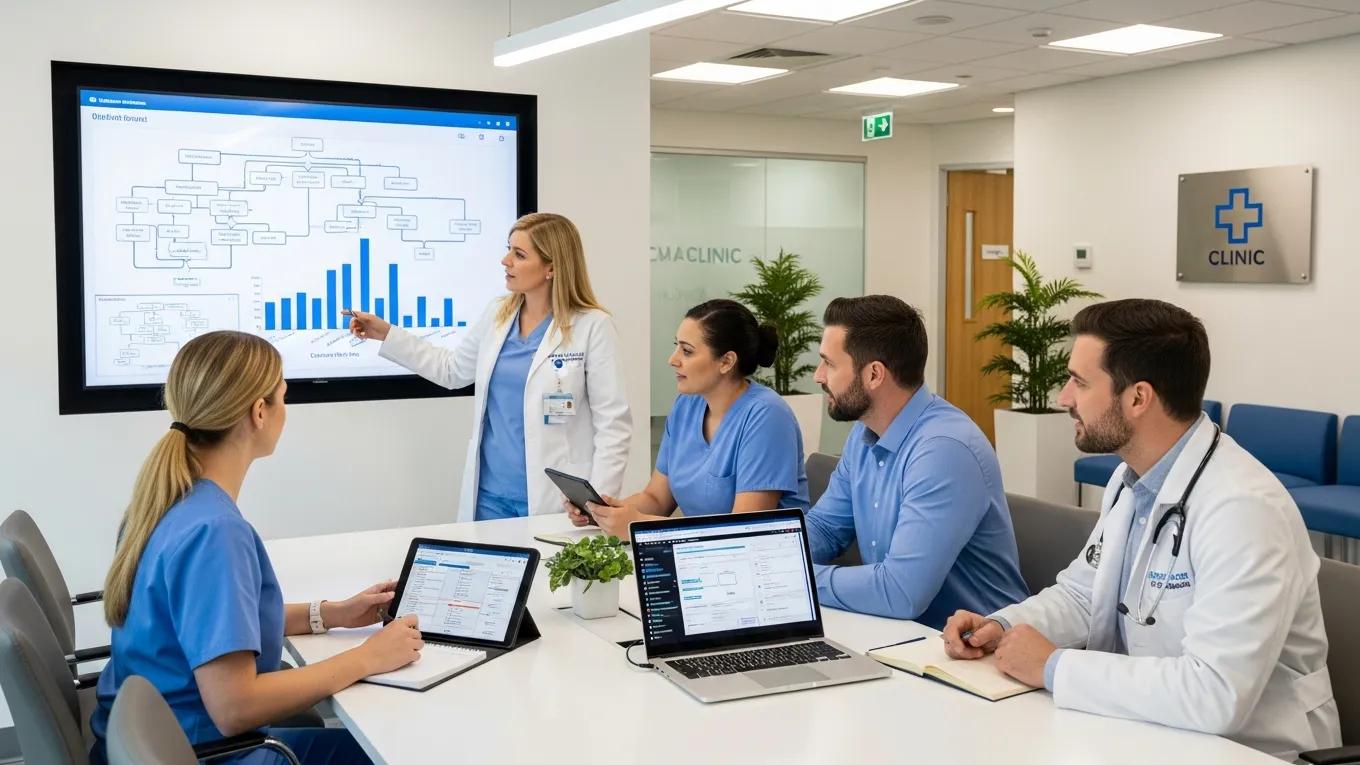
Clinics can optimize patient referral processes through several strategies:
- Utilizing Technology for Tracking Referrals: Implementing digital systems to monitor referral status and outcomes ensures accountability and transparency.
- Training Staff on Referral Protocols: Educating staff on best practices for referrals enhances efficiency and reduces errors.
- Feedback Mechanisms for Continuous Improvement: Regularly collecting feedback from patients and providers helps identify areas for improvement in the referral process.
These strategies collectively contribute to a more efficient and effective referral system within clinics.
Implementing specialized toolkits can further enhance these optimization efforts, particularly for specific health interventions.
SBIRT Toolkit for Hospital Referrals
This paper describes a study protocol testing implementation of a toolkit to enhance use of SBIRT in acute care settings to recognize and address patient risky alcohol, drug, and tobacco use.
Study protocol testing toolkit versus usual care for implementation of screening, brief intervention, referral to treatment in hospitals: a phased cluster randomized …, R Newhouse, 2018
Which Communication Tools Improve Clinic Collaboration?
Effective communication tools are essential for improving collaboration between clinics and referral partners. Key tools include:
- Secure Messaging Platforms: Enabling real-time communication between healthcare providers ensures that critical information is shared promptly.
- Shared Electronic Health Records (EHRs): Facilitating access to patient information across different providers enhances continuity of care.
- Telehealth Solutions: Allowing for remote consultations can bridge gaps in care, especially for patients in underserved areas.
By utilizing these communication tools, clinics can foster stronger partnerships and improve patient care outcomes.
How Can Employers Leverage Referral Toolkits for Workplace Health?
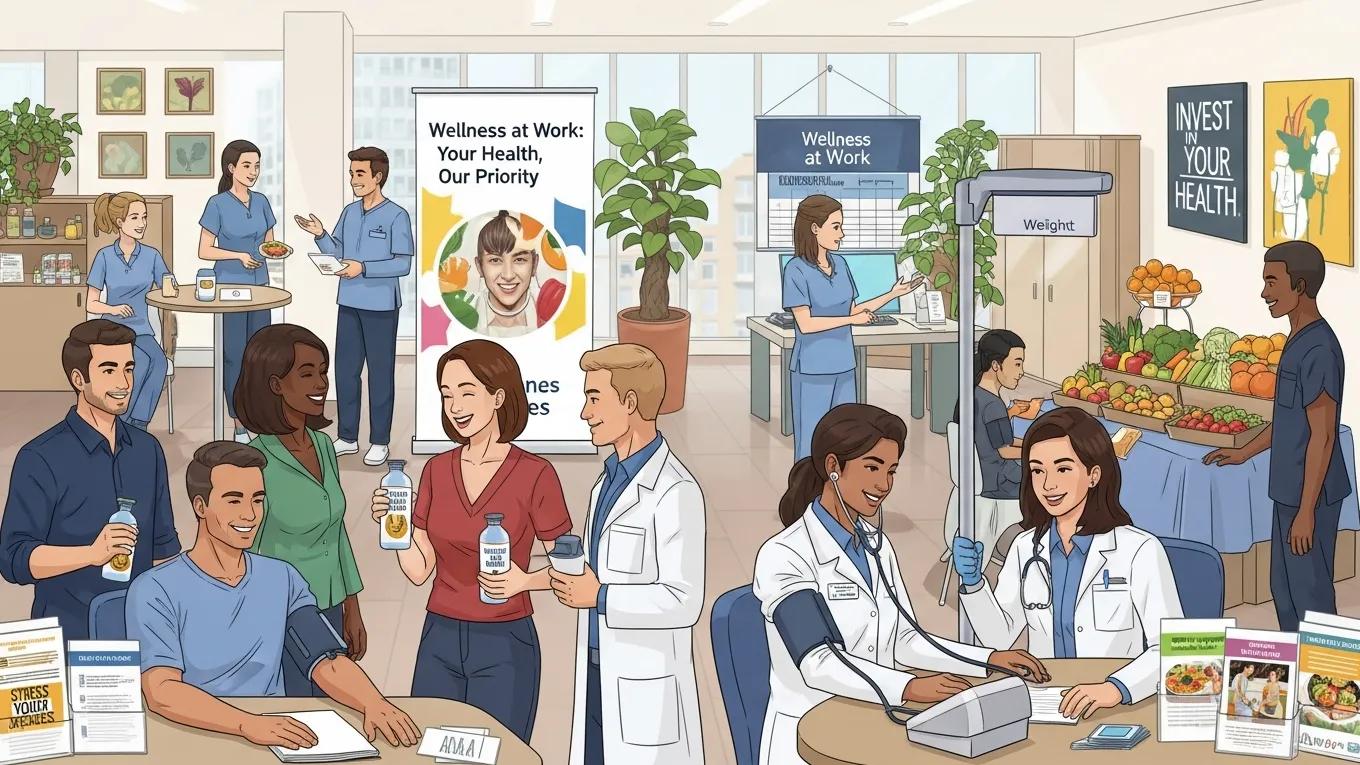
Employers can leverage referral toolkits to enhance workplace health by implementing structured health programs that support employee well-being. These toolkits provide resources for managing health issues and facilitate access to necessary healthcare services. By promoting a culture of health within the workplace, employers can improve employee satisfaction and productivity.
What Are Effective Employer Health Partnership Programs?
Effective employer health partnership programs include:
- Wellness Initiatives: Programs that promote physical activity, mental health support, and preventive care.
- Health Screenings: Offering regular health assessments to identify potential health issues early.
- Collaboration with Healthcare Providers: Partnering with local clinics and health organizations to provide employees with access to comprehensive care.
These programs not only benefit employees but also contribute to a healthier workplace environment.
How Do Referral Resources Support Employee Wellness?
Referral resources play a significant role in supporting employee wellness by providing access to various health services. These resources include:
- Mental Health Support: Access to counseling and mental health services helps employees manage stress and improve overall well-being.
- Health Coaching: Personalized coaching can guide employees in making healthier lifestyle choices.
- Access to Preventive Care: Ensuring employees have access to preventive services can reduce long-term health issues.
By utilizing these referral resources, employers can create a supportive environment that prioritizes employee health.
What Partner Resources Support Seamless Referral Coordination?
Partner resources are essential for facilitating effective referral coordination. These resources include:
- Healthcare Networks: Collaborations between various healthcare providers ensure comprehensive care for patients.
- Community Health Organizations: Partnering with local organizations can enhance access to services and support for patients.
- Data Sharing Agreements: Establishing agreements for sharing patient data can improve communication and streamline referral processes.
These resources collectively enhance the efficiency of referral coordination, ensuring that patients receive the care they need.
Which Training Materials and Case Studies Enhance Referral Success?
Training materials and case studies are vital for enhancing referral success. Effective training programs equip staff with the knowledge and skills necessary to navigate referral processes efficiently. Case studies provide real-world examples of successful referral implementations, offering valuable insights into best practices and potential challenges.
How Do Resource Libraries Facilitate Healthcare Partner Collaboration?
Resource libraries play a crucial role in facilitating collaboration among healthcare partners. These libraries provide access to essential materials, including:
- Guidelines and Protocols: Standardized procedures for referrals ensure consistency and quality of care.
- Research and Evidence-Based Practices: Access to the latest research helps partners stay informed about effective strategies.
- Training Resources: Offering training materials for staff enhances their ability to manage referrals effectively.
By utilizing resource libraries, healthcare partners can improve collaboration and ultimately enhance patient care outcomes.