Comparing Routes: Telehealth vs In-person Assessments
Comparing Routes for Health Assessments: Telehealth vs In-person Evaluation Benefits and Considerations
By Dr Charan Singh, Prismpath Health
In the evolving landscape of healthcare, the choice between telehealth and in-person assessments has become increasingly significant. Patients are often faced with the decision of which route to take for their health evaluations, each offering distinct advantages and challenges. This article delves into the key benefits and limitations of both telehealth and in-person assessments, providing insights into their accessibility, diagnostic accuracy, and practical considerations. By understanding these factors, patients can make informed decisions that best suit their healthcare needs. We will explore the benefits of telehealth, the advantages of in-person evaluations, and how these two approaches compare in terms of diagnostic testing options, costs, and privacy concerns.
What Are the Key Benefits and Limitations of Telehealth Assessments?
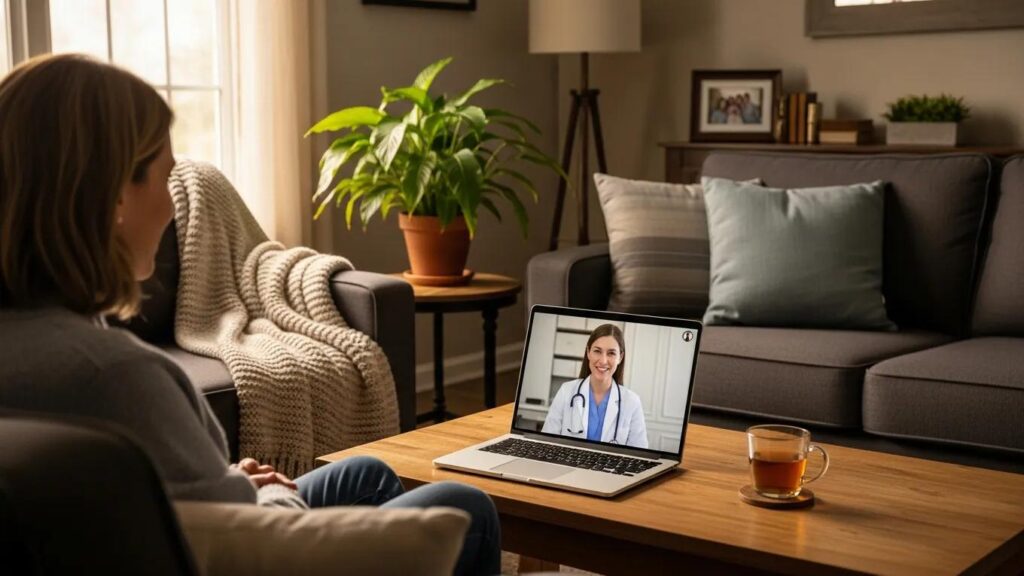
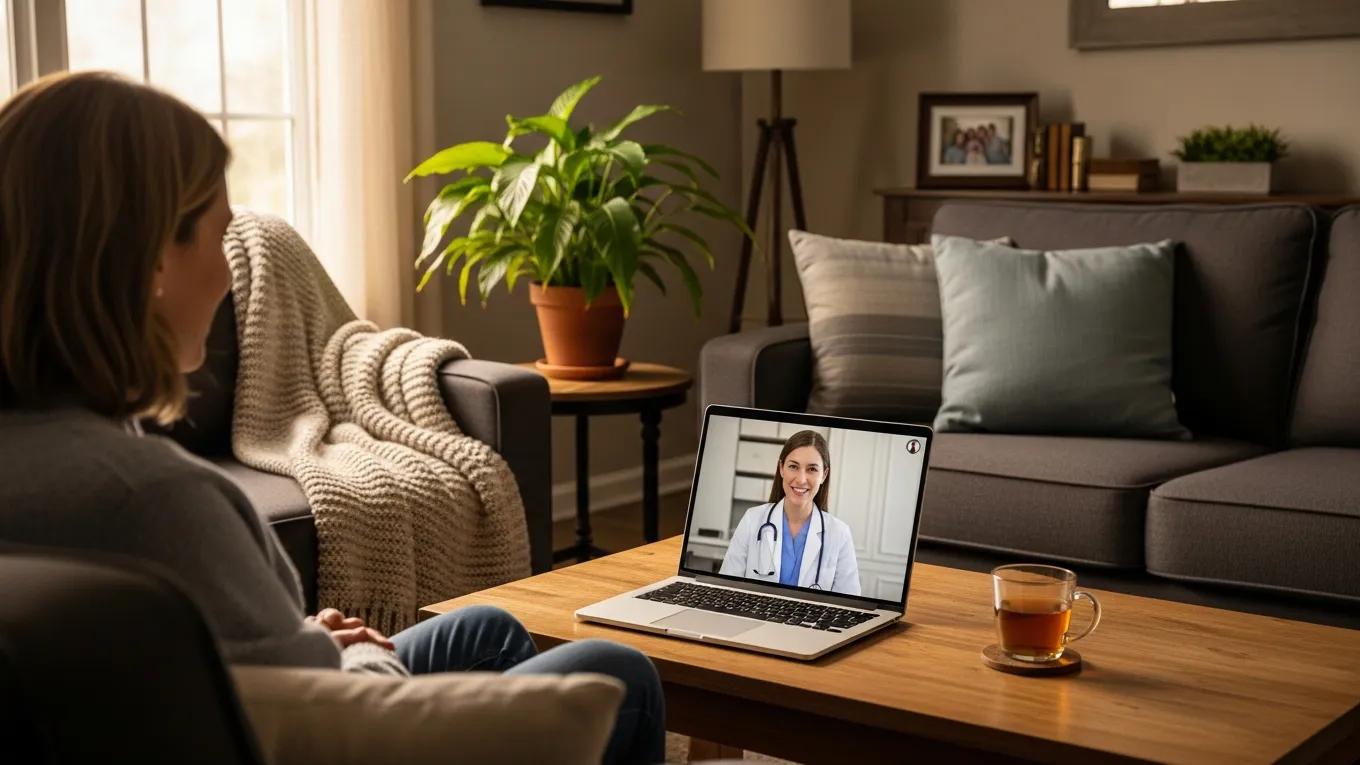
Telehealth assessments have gained popularity due to their convenience and accessibility, allowing patients to receive care from the comfort of their homes. This method enhances patient engagement and can lead to improved health outcomes. However, there are limitations to consider, such as the lack of physical examinations and potential technical issues that may arise during virtual consultations.
How Does Telehealth Enhance Accessibility and Convenience for Patients?
Telehealth significantly improves accessibility for patients by eliminating geographical barriers and reducing the time required for appointments. Patients can connect with healthcare providers through various telehealth platforms, making it easier to schedule consultations without the need for travel. Statistics show that telehealth services have increased attendance rates, as patients are more likely to attend appointments when they can do so from home. This convenience is particularly beneficial for individuals with mobility issues or those living in rural areas.
What Are the Clinical and Practical Limitations of Remote Health Testing?
Despite its advantages, telehealth assessments come with clinical and practical limitations. One major concern is the inability to perform physical examinations, which can be crucial for accurate diagnoses. Technical issues, such as poor internet connectivity or software malfunctions, can disrupt consultations and affect the quality of care. Additionally, privacy concerns regarding data security in telehealth platforms can deter some patients from fully engaging in remote assessments.
Research further underscores the critical role of physical examinations, highlighting how their absence in remote settings can contribute to diagnostic challenges and increased healthcare costs.
Physical Exam Decline: Diagnostic Errors & Telehealth Implications
The physical examination: a declining skillPerforming the physical examination is an essential skill for any expert diagnostician [1] and has been an integral part of the patient encounter for centuries. However, many studies have shown a decline in physical exam skills among physicians and trainees [2], [3], [4]. This decay has led to a series of harmful and undesired consequences including an increased risk of diagnostic errors, unnecessary investigations, and unneeded referrals, all resulting in added health care costs and difficulty in meeting patient needs, particularly in low resource settings.
The physical exam and telehealth: between past and future, D Torre, 2024
What Are the Advantages and Challenges of In-person Medical Evaluations?
In-person medical evaluations offer unique advantages, particularly in terms of diagnostic accuracy and the quality of patient-provider interactions. Face-to-face assessments allow healthcare providers to conduct thorough physical examinations, which can lead to more accurate diagnoses. However, challenges such as scheduling difficulties and travel requirements can pose barriers for some patients.
How Do Face-to-Face Assessments Support Diagnostic Accuracy and Patient Interaction?
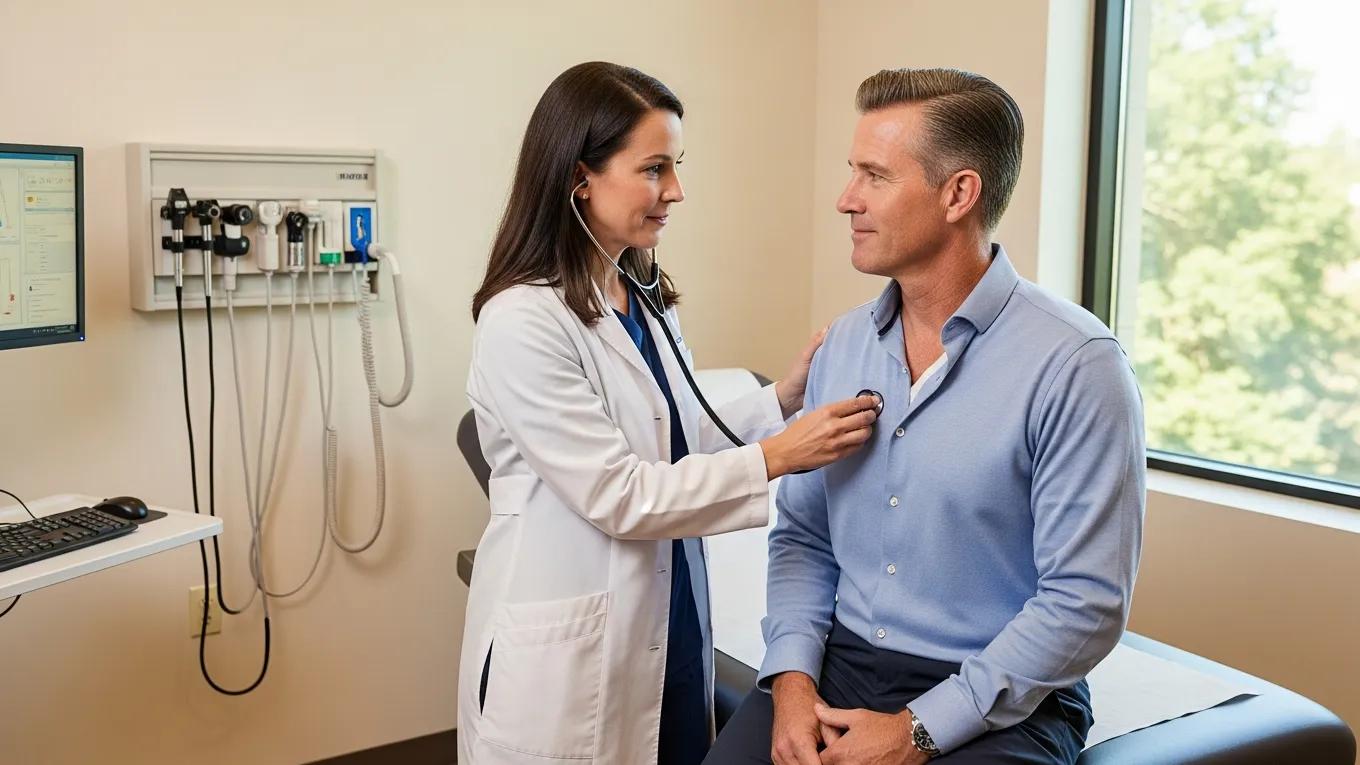
Face-to-face assessments enhance diagnostic accuracy by allowing healthcare providers to observe physical symptoms and conduct necessary tests in real-time. The direct interaction fosters a stronger patient-provider relationship, which can lead to better communication and understanding of health concerns. For instance, a patient may feel more comfortable discussing sensitive issues in person, leading to a more comprehensive evaluation.
What Practical Considerations Affect In-person Healthcare Visits?
Practical considerations for in-person healthcare visits include travel time, scheduling conflicts, and potential discomfort in clinical settings. Patients may face challenges in finding transportation or taking time off work, which can affect their ability to attend appointments. Additionally, the physical environment of healthcare facilities can sometimes contribute to anxiety, making it essential for providers to create a welcoming atmosphere.
How Do Telehealth and In-person Routes Compare in Diagnostic Testing Options?
When comparing diagnostic testing options, both telehealth and in-person assessments offer unique capabilities. Telehealth can facilitate certain remote diagnostic testing, while in-person evaluations provide access to a broader range of tests that require physical presence.
Which Diagnostic Tests Are Available Remotely Versus In-person?
Telehealth assessments typically allow for remote diagnostic tests such as virtual consultations, home health testing kits, and some lab tests that can be conducted via mail. In contrast, in-person evaluations are necessary for tests that require physical examinations, such as imaging studies or procedures that cannot be performed remotely.
This comparison highlights the importance of understanding which tests are available through each method, allowing patients to choose the most appropriate option for their needs.
How Do Accuracy and Reliability Differ Between Virtual and Face-to-Face Testing?
The accuracy and reliability of diagnostic tests can vary significantly between telehealth and in-person assessments. While telehealth offers convenience, certain tests may not provide the same level of accuracy as those conducted in person. For example, physical examinations can reveal symptoms that may not be communicated effectively through a virtual platform.
Understanding these differences is crucial for patients when deciding which assessment route to pursue.
A systematic review further elaborates on the comparative effectiveness of telehealth versus in-person care, offering insights into their respective impacts on healthcare utilization and clinical outcomes.
Telehealth vs. In-Person: Comparative Effectiveness & Outcomes
Differences, if any, in healthcare utilization and clinical outcomes between in-person and telehealth care were generally small and/or not clinically meaningful and varied across the type of outcome and clinical area. For process outcomes, there was a mostly lower rate of missed visits and changes in therapy/medication and higher rates of therapy/medication adherence among patients receiving an initial telehealth visit compared with those receiving in-person care. However, the rates of up-to-date labs/paraclinical assessment were also lower among patients receiving an initial telehealth visit compared with those receiving in-person care. Most studies lacked a standardized approach to assessing outcomes. While we refrain from making an overall conclusion about the performance of telehealth versus in-person visits the use of telehealth is comparable to in-person care across a variety of outcomes and clinical areas.
Effectiveness of telehealth versus in-person care during the COVID-19 pandemic: a systematic review, E Hatef, 2024
What Should Patients Consider Regarding Cost, Insurance, and Privacy in Telehealth and In-person Assessments?

Cost, insurance coverage, and privacy are significant factors that patients must consider when choosing between telehealth and in-person assessments. Each option presents different financial implications and privacy concerns that can influence patient decisions.
How Do Costs and Insurance Coverage Vary Between Telehealth and In-person Services?
Costs for telehealth services are often lower than those for in-person visits, making them an attractive option for many patients. However, insurance coverage can vary widely, with some plans offering comprehensive coverage for telehealth while others may not. Patients should check with their insurance providers to understand their coverage options for both telehealth and in-person services.
What Privacy and Security Measures Protect Patient Data in Telehealth?
Privacy and security are paramount in telehealth, as patients may have concerns about the confidentiality of their health information. Telehealth platforms typically implement robust security measures, including encryption and compliance with HIPAA regulations, to protect patient data. Patients should inquire about the privacy policies of telehealth providers to ensure their information is secure.
In conclusion, both telehealth and in-person assessments offer unique benefits and challenges. By understanding the key differences in accessibility, diagnostic accuracy, and practical considerations, patients can make informed decisions that align with their healthcare needs. As healthcare continues to evolve, the integration of both methods may provide the most comprehensive approach to patient care.