
How to Track Symptoms and Function Before Assessment

How to Track Symptoms and Function Before Assessment: A Practical Guide for Effective Health Monitoring
By Dr Charan Singh, Prismpath Health
Tracking symptoms and functional status is a crucial step in preparing for health assessments. By systematically recording your health data, you can provide healthcare providers with valuable insights that enhance diagnostic accuracy and treatment planning. This guide will explore the importance of symptom tracking, the types of symptoms to monitor, and effective tools for maintaining a health log. Many individuals face challenges in articulating their health experiences, which can lead to misdiagnosis or inadequate treatment. By implementing a structured approach to symptom tracking, you can ensure that your healthcare providers have the information they need to make informed decisions. We will cover the significance of tracking, the best daily health logs and symptom diary templates, preparation strategies for assessments, and the most effective methods and tools for tracking your health.
Why Is Symptom Tracking Important Before Your Health Assessment?
Symptom tracking is essential for several reasons, primarily its role in improving diagnostic accuracy and enhancing communication with healthcare providers. By documenting your symptoms, you create a comprehensive picture of your health that can inform treatment decisions. This proactive approach not only aids in identifying patterns but also helps in recognizing triggers and the effectiveness of previous treatments.
This proactive approach to symptom tracking is further supported by research demonstrating the significant benefits of self-monitoring for early illness detection and improved patient outcomes.
Benefits of Self-Monitoring for Early Illness Detection
Self-monitoring in cases of heart failure (HF) can lead to improved health and early detection of states of illness, potentially avoiding unnecessary hospitalisation. Legislation emphasizes the importance of patient participation in health care. This is possible and simplified due to the ongoing digitalisation within the healthcare system.
Patient participation in self-monitoring regarding healthcare of heart failure: an integrated systematic review, 2025
How Does Tracking Improve Diagnostic Accuracy and Communication?
Tracking symptoms leads to better diagnosis by providing healthcare providers with detailed information about the frequency, duration, and severity of symptoms. This data facilitates clearer communication, allowing for more personalized care. For instance, when patients present a well-documented symptom history, it can significantly reduce the time needed for diagnosis and lead to more effective treatment plans.
What Types of Symptoms and Functions Should You Monitor?
When tracking your health, it is important to monitor a variety of symptoms and functions. Common symptoms to track include pain levels, fatigue, mood changes, and any physical limitations. Additionally, monitoring functional abilities, such as mobility and daily activities, provides context that can be crucial for healthcare providers. Understanding the importance of context in tracking can help you communicate more effectively about your health status.
The importance of monitoring functional abilities is underscored by studies showing how objective tracking can significantly aid clinicians in making informed decisions.
Tracking Functional Health for Clinical Decision Making
Higher levels of functional health in older adults leads to higher quality of life and improves the ability to age-in-place. Tracking functional health objectively could help clinicians to make decisions for interventions in case of health deterioration. Even though several geriatric assessments capture several aspects of functional health, there is limited research in longitudinally tracking personalized functional health of older adults using a combination of these assessments.
Tracking personalized functional health in older adults using geriatric assessments, AK Mishra, 2020
What Are the Best Daily Health Logs and Symptom Diary Templates to Use?
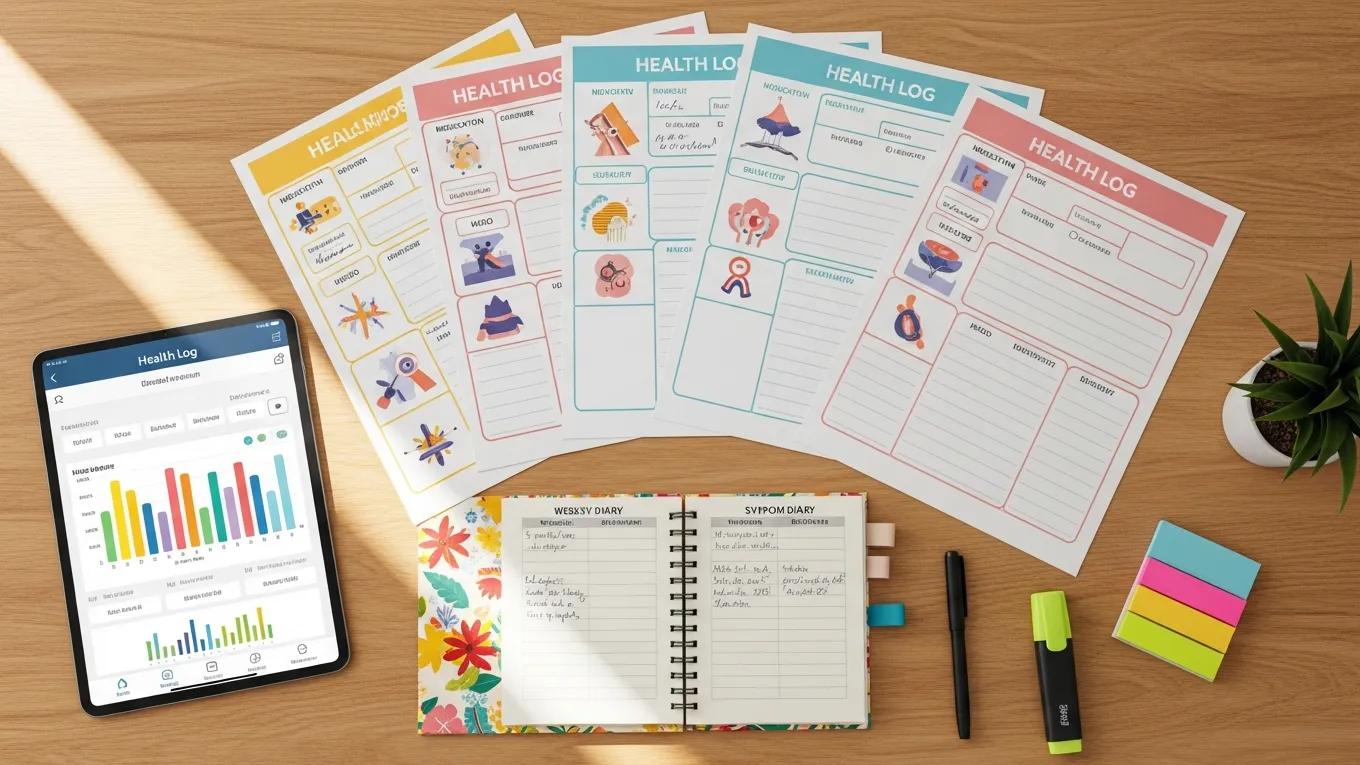
Utilizing structured health logs and symptom diary templates can greatly enhance the tracking process. These tools help ensure consistency and accuracy in your records, making it easier to identify trends over time.
How to Use Symptom Diary Templates for Consistent Tracking?
To effectively use symptom diary templates, start by filling them out daily, noting the time and severity of symptoms. Regularly reviewing these logs with your healthcare provider can facilitate discussions about treatment effectiveness and necessary adjustments. Consistency in tracking is key to gaining the most benefit from these tools.
Where Can You Find Downloadable and Interactive Tracking Tools?
There are numerous resources available online for downloadable and interactive tracking tools. Websites dedicated to health management often provide templates that can be customized to fit individual needs. These tools can range from simple spreadsheets to comprehensive apps that allow for real-time tracking and analysis of health data.
How Can You Prepare Effectively for Functional Assessments?
Preparation for functional assessments is crucial to ensure that you can communicate your health status effectively. This involves not only tracking symptoms but also understanding what to expect during the assessment process.
What Is a Pre-Assessment Symptom Checklist and How to Use It?

A pre-assessment symptom checklist is a valuable tool that helps you organize your symptoms and concerns before your appointment. This checklist should include all relevant symptoms, their severity, and any treatments you have tried. Filling it out prior to your assessment can help you articulate your health status more clearly to your healthcare provider.
This emphasis on patient preparation and clear communication is further supported by research highlighting the importance of patient self-efficacy in reporting symptoms.
Patient Self-Efficacy in Pre-Assessment Symptom Reporting
Because SACT is mostly delivered in the outpatient setting, healthcare professionals need to be able to rely on patients to recognise and report treatment-related toxicities, which means patients need a high degree of self-efficacy. At University Hospital Southampton NHS Foundation Trust, patients preparing to undergo immunotherapy or chemotherapy take part in a group pre-assessment workshop aimed at improving their self-efficacy.
Evaluating group pre-assessment for improving self-efficacy in patients undergoing systemic anticancer therapy, 2025
How to Communicate Your Tracked Symptoms and Function to Healthcare Providers?
Effective communication with healthcare providers involves being clear and concise about your tracked symptoms. Use your symptom diary and checklist to guide the conversation, ensuring that you cover all relevant points. This preparation can lead to more productive discussions and better health outcomes.
Which Methods and Tools Are Best for Tracking Symptoms and Function?
Choosing the right methods and tools for tracking symptoms is essential for effective health monitoring. There are various options available, each with its own advantages and disadvantages.
What Are the Advantages of Digital Versus Manual Tracking Methods?
Digital tracking methods offer several advantages, including ease of use, accessibility, and the ability to analyze data over time. In contrast, manual tracking methods, such as paper diaries, can be more straightforward for some individuals. Each method has its benefits, and the choice often depends on personal preference and comfort with technology.
How to Choose Health Monitoring Tools That Fit Your Needs?
When selecting health monitoring tools, consider factors such as ease of use, the ability to customize tracking options, and whether the tool integrates with other health management systems. It is important to choose tools that align with your specific health needs and lifestyle to ensure consistent use and accurate tracking.