
Practical Strategies for Sensory Regulation at Home and Work
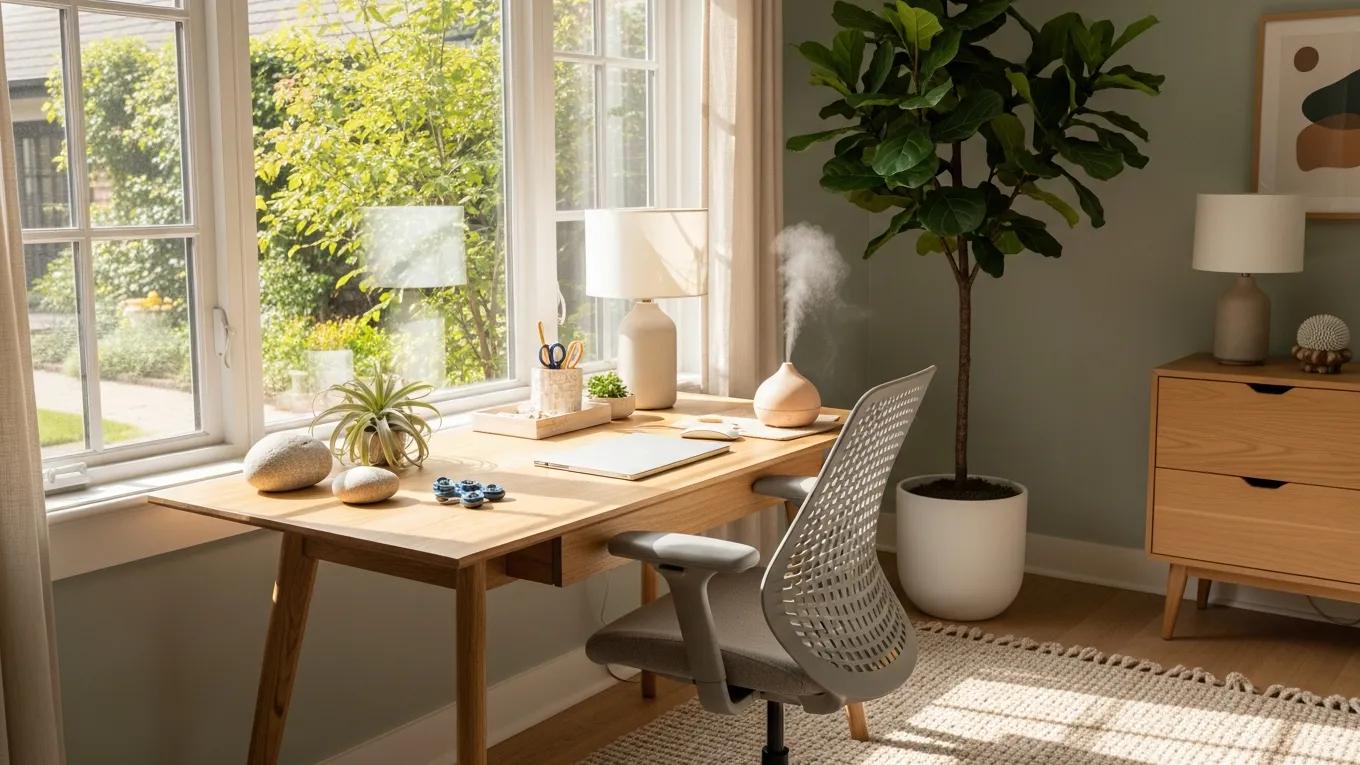
Practical Strategies for Sensory Regulation at Home and Work: Effective Sensory Accommodations and Techniques
By Dr Charan Singh, Prismpath Health
Sensory regulation is essential for maintaining well-being in both home and work environments. It involves understanding and managing sensory inputs to enhance comfort and productivity. This article will explore practical strategies for sensory regulation, focusing on techniques that can be applied in daily life. Readers will learn about key sensory regulation methods, how to implement accommodations in the workplace, and tips for enhancing sensory comfort at home. By addressing common sensory challenges, individuals can improve their overall quality of life and work performance. The following sections will delve into effective sensory strategies, accommodations, and tools that support sensory regulation.
What Are Key Sensory Regulation Techniques for Home and Work?
Sensory regulation techniques are methods used to manage sensory input effectively, promoting comfort and focus in various environments. These techniques work by helping individuals identify their sensory preferences and needs, allowing them to create supportive environments. The benefits of sensory regulation include improved concentration, reduced anxiety, and enhanced emotional well-being.
How Can Sensory Processing Strategies Support Daily Life?
Sensory processing strategies enhance daily functioning by helping individuals navigate sensory experiences more effectively. For instance, using noise-canceling headphones can minimize auditory distractions, allowing for better focus during tasks. Additionally, incorporating sensory breaks, such as stretching or deep breathing, can help individuals reset and manage stress throughout the day. These strategies not only improve productivity but also contribute to a more balanced emotional state.
Which Practical Sensory Regulation Methods Are Most Effective?
Several practical sensory regulation methods have proven effective in various settings. These include:
- Mindfulness Techniques: Practicing mindfulness can help individuals become more aware of their sensory experiences and manage them effectively.
- Environmental Modifications: Adjusting lighting, reducing clutter, and using calming colors can create a more sensory-friendly environment.
- Sensory Tools: Utilizing tools such as fidget spinners or stress balls can provide tactile stimulation that aids concentration.
Implementing these methods can lead to significant improvements in sensory regulation and overall well-being.
How to Implement Sensory Accommodations in the Workplace?
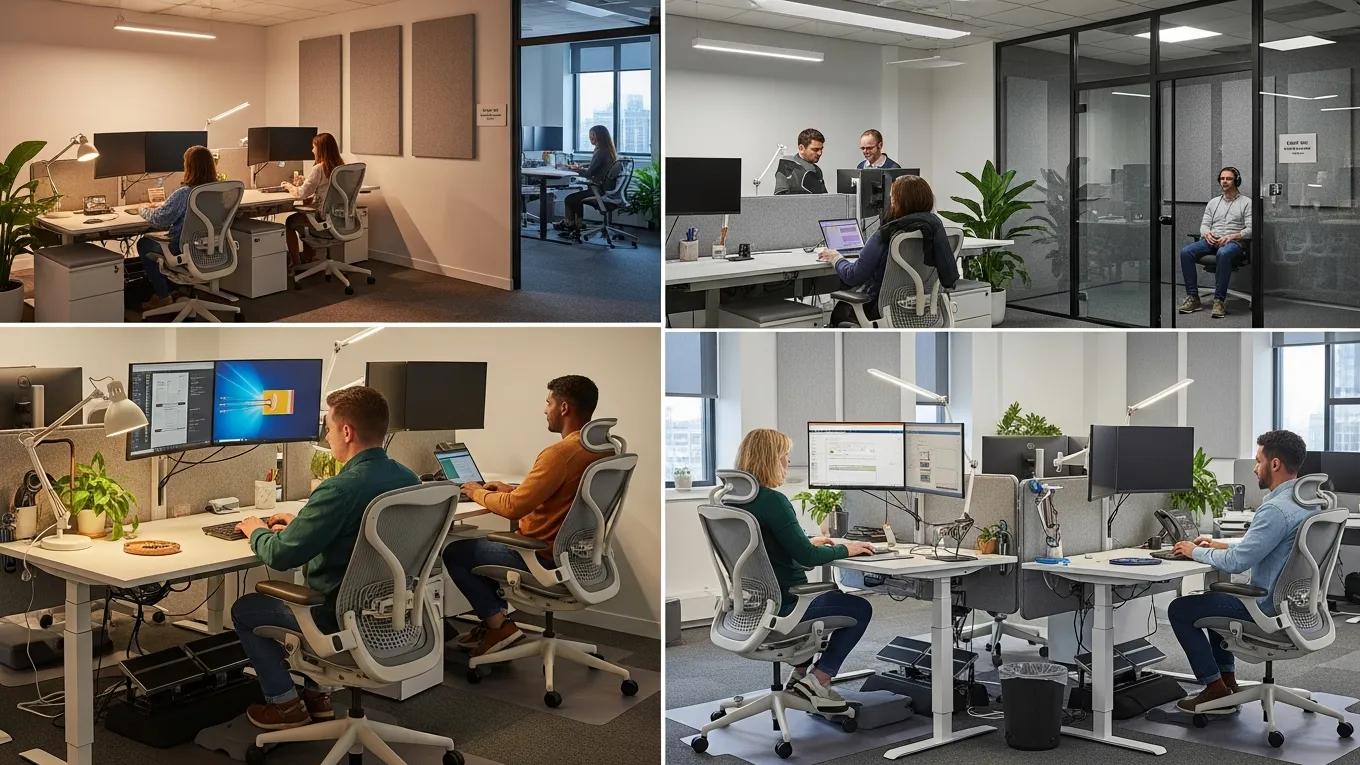
Implementing sensory accommodations in the workplace is crucial for creating an inclusive environment that supports all employees. Sensory accommodations refer to adjustments made to the work environment to meet individual sensory needs. These accommodations can enhance productivity and job satisfaction.
Research consistently demonstrates the positive impact of workplace accommodations on employee performance and satisfaction.
Workplace Accommodations & Job Performance for Sensory Disabilities
Findings suggest participants with requested accommodations have higher levels on job performance and job satisfaction than non-requesters. Individuals who were more likely to request accommodations were associated with higher educational background, moderate disability severity and higher levels of workplace supports from employers and coworkers. They reported higher knowledge levels on Americans with Disabilities Act and accommodation procedures, and higher outcome expectation
Workplace accommodations, job performance and job satisfaction among individuals with sensory disabilities, S Dong, 2013
What Are Common Workplace Sensory Supports and Adjustments?
Common workplace sensory supports include:
- Quiet Spaces: Designating quiet areas for employees to retreat to when feeling overwhelmed can help manage sensory overload.
- Adjustable Lighting: Providing options for adjustable lighting allows employees to choose their preferred brightness levels, reducing discomfort.
- Flexible Workstations: Offering standing desks or ergonomic chairs can help employees find comfortable positions that suit their sensory preferences.
These adjustments not only support sensory regulation but also foster a more productive work environment.
How Does Occupational Therapy Facilitate Sensory Accommodations at Work?
Occupational therapy plays a vital role in facilitating sensory accommodations in the workplace. Occupational therapists assess individual sensory needs and recommend tailored strategies to enhance comfort and productivity. They may suggest specific tools or modifications, such as noise-canceling headphones or sensory breaks, to help employees manage their sensory experiences effectively. By collaborating with occupational therapists, organizations can create a more inclusive and supportive work environment.
What Home-Based Sensory Regulation Tips Enhance Well-Being?
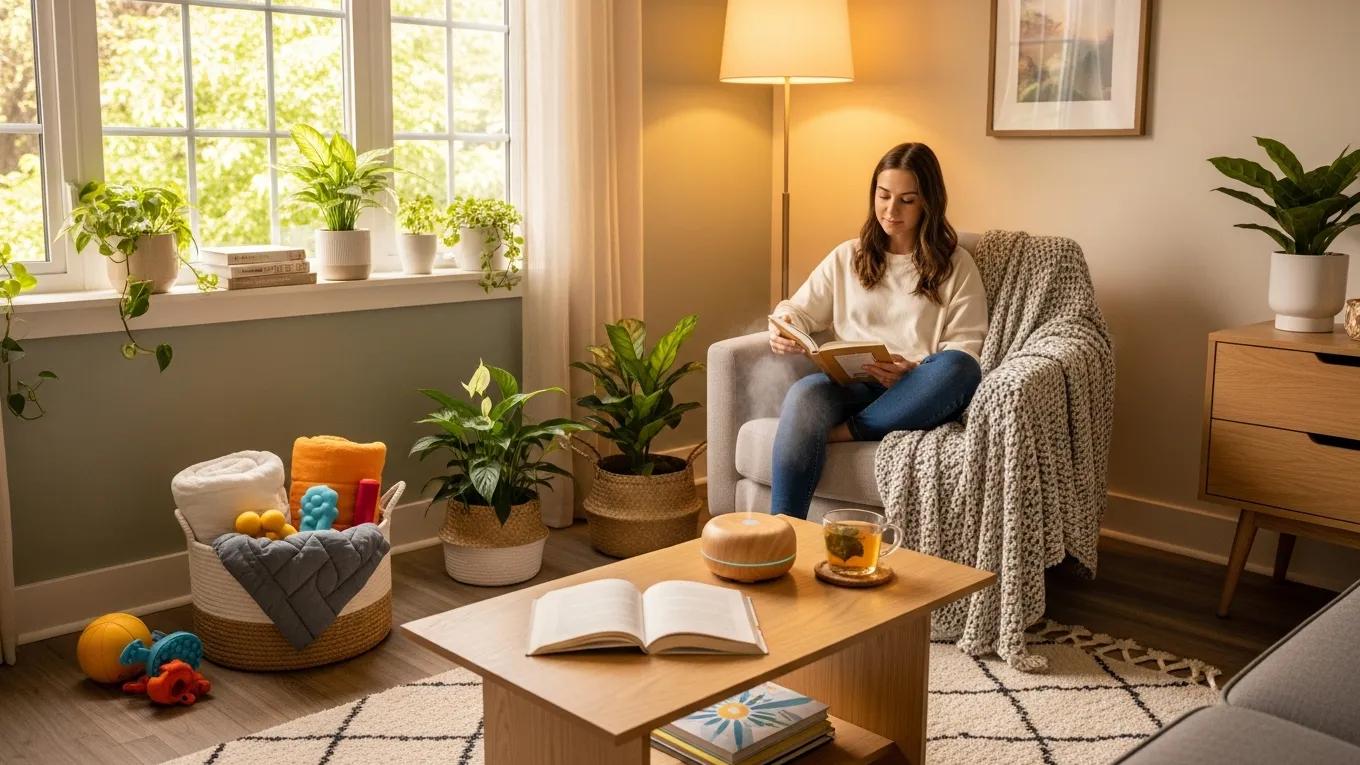
Enhancing sensory regulation at home is essential for overall well-being. Home-based strategies can create a calming environment that supports relaxation and focus.
Which Sensory Diet Activities Promote Self-Regulation at Home?
Sensory diet activities are structured activities designed to meet an individual’s sensory needs. Examples include:
- Movement Breaks: Engaging in physical activities like jumping or dancing can help release pent-up energy and improve focus.
- Creative Outlets: Activities such as drawing or crafting provide tactile stimulation and promote relaxation.
- Nature Exposure: Spending time outdoors can enhance sensory experiences and improve mood.
Incorporating these activities into daily routines can significantly enhance self-regulation at home.
How Can Environmental Modifications Improve Sensory Comfort?
Environmental modifications can greatly improve sensory comfort at home. Some effective changes include:
- Decluttering Spaces: Reducing visual distractions by keeping spaces organized can help create a more calming environment.
- Using Calming Colors: Painting walls in soft, neutral tones can promote relaxation and reduce sensory overload.
- Incorporating Natural Elements: Adding plants or natural light can enhance the sensory experience and improve overall well-being.
These modifications can create a more supportive home environment that fosters sensory regulation.
What Tools and Resources Support Sensory Regulation Strategies?
Various tools and resources can aid in implementing sensory regulation strategies effectively. These tools help individuals manage their sensory experiences and enhance their overall quality of life.
Which Calming Sensory Tools Aid Self-Regulation?
Calming sensory tools include:
- Fidget Toys: Items like stress balls or fidget spinners provide tactile stimulation that can help improve focus.
- Weighted Blankets: These blankets offer deep pressure stimulation, promoting relaxation and comfort.
- Aromatherapy Diffusers: Using essential oils can create a calming atmosphere and enhance sensory experiences.
These tools can be beneficial for individuals seeking to improve their sensory regulation.
How Can Collaborative Approaches Enhance Sensory Strategy Success?
Collaborative approaches can significantly enhance the success of sensory strategies. Engaging with family members, colleagues, or therapists can provide valuable insights and support. For instance, discussing sensory needs with coworkers can lead to shared solutions, such as creating a quieter workspace or implementing flexible schedules. Collaboration fosters a sense of community and understanding, making it easier to navigate sensory challenges together.
Different sensory tools and their effectiveness can be compared in the following table: