
Providing Culturally Responsive Neuroaffirming Services

Providing Culturally Responsive Neuroaffirming Services: A Collaborative Approach to Inclusive Mental Health Care
By Dr Charan Singh, Prismpath Health
Culturally responsive neuroaffirming services are essential in today’s diverse mental health landscape, addressing the unique needs of individuals from various cultural backgrounds. This article explores the principles and strategies that underpin these services, emphasizing the importance of cultural competence in enhancing patient care. Readers will learn how cultural humility and affirming care practices can significantly improve engagement and outcomes for neurodivergent individuals. By understanding the significance of these approaches, mental health providers can foster a more inclusive environment that respects and values individual experiences. The following sections will delve into key principles, implementation strategies, and the role of community resources in advancing health equity.
Key Principles
Culturally responsive neuroaffirming services are built on several foundational principles that guide effective mental health care. These principles include:
- Respect for Individual Experience: Acknowledging and valuing each person’s unique cultural background and lived experiences is crucial for building trust and rapport.
- Collaboration and Consent: Engaging clients in their treatment planning fosters a sense of ownership and empowerment, leading to better outcomes.
- Strengths-Based Approach: Focusing on the strengths and capabilities of individuals rather than their deficits promotes resilience and positive mental health.
These principles serve as the backbone of culturally responsive services, ensuring that care is tailored to meet the diverse needs of clients.
Strategies for Implementation

Implementing culturally responsive neuroaffirming services requires practical strategies that can be integrated into existing mental health frameworks. Key strategies include:
- Training and Education for Providers: Ongoing professional development in cultural competence equips providers with the skills to understand and address the diverse needs of their clients.
- Integrated Services for Comprehensive Care: Collaborating with community organizations and resources enhances the support available to clients, addressing their holistic needs.
- Community Engagement: Actively involving community members in the development and delivery of services ensures that care is relevant and accessible.
These strategies not only improve service delivery but also foster a more inclusive environment for all clients.
Significance of Cultural Competence
Cultural competence is vital in mental health care as it enhances trust between clients and providers, improves treatment outcomes, and reduces health disparities. By understanding and respecting cultural differences, providers can create a safe space for clients to express their needs and concerns. This understanding leads to more effective communication and a stronger therapeutic alliance, ultimately resulting in better mental health outcomes.
For instance, research indicates that culturally competent care can lead to improved treatment adherence among minority populations. This highlights the critical role that cultural competence plays in achieving equitable health outcomes.
How Does Cultural Humility Enhance Patient Engagement?
Cultural humility is an essential component of patient engagement, fostering open communication and trust between clients and providers. By adopting a stance of humility, providers acknowledge their limitations in understanding a client’s cultural background and are more willing to learn from their experiences. This approach encourages clients to participate actively in their care, leading to improved satisfaction and outcomes.
Moreover, cultural humility promotes a collaborative environment where clients feel valued and respected, further enhancing their engagement in the therapeutic process.
What Are Practical Steps to Implement Cultural Competence?
To effectively implement cultural competence in mental health care, providers can take several actionable steps:
- Regular Training for Staff: Continuous education on cultural issues and sensitivity helps staff stay informed and responsive to the needs of diverse populations.
- Feedback Mechanisms for Clients: Establishing channels for client feedback allows providers to understand and address cultural concerns effectively.
- Community Involvement: Engaging with local communities to understand their specific needs and preferences can inform service delivery and improve client satisfaction.
These steps create a framework for integrating cultural competence into everyday practice, ensuring that all clients receive the care they deserve.
How Do Affirming Care Practices Support Neurodivergent Individuals?
Affirming care practices are designed to validate the unique experiences of neurodivergent individuals, promoting autonomy and addressing their specific needs. By recognizing and respecting neurodiversity, providers can create an environment that supports individual strengths and fosters personal growth.
For example, affirming care practices may include tailored communication strategies that align with a client’s preferred mode of expression, enhancing their comfort and engagement in therapy. This approach not only validates their experiences but also empowers them to take an active role in their mental health journey.
What Principles Define Affirming and Inclusive Care?
Affirming and inclusive care is guided by several key principles that ensure all clients feel respected and valued:
- Respect for Autonomy: Clients should have the freedom to make informed choices about their care.
- Recognition of Neurodivergent Experiences: Understanding the unique perspectives of neurodivergent individuals is essential for providing effective support.
- Integration of Care: Coordinating services across different providers ensures comprehensive support for clients.
These principles are fundamental in creating a therapeutic environment that is both affirming and inclusive.
How Can Providers Collaborate Effectively with Clients?
Effective collaboration between providers and clients is crucial for successful treatment outcomes. Strategies for fostering this collaboration include:
- Collaborative Treatment Planning: Involving clients in the development of their treatment plans ensures that their preferences and goals are prioritized.
- Strengths-Based Approach: Focusing on clients’ strengths rather than deficits encourages a positive therapeutic relationship.
- Ongoing Support and Adaptation: Regularly revisiting treatment plans and adapting them as needed helps maintain alignment with clients’ evolving needs.
By prioritizing collaboration, providers can enhance client engagement and satisfaction.
Which Neuroaffirming Therapy Techniques Promote Whole-Person Wellbeing?
Neuroaffirming therapy techniques focus on supporting the whole person, addressing both mental and physical health needs. Techniques that promote whole-person wellbeing include:
- Mindfulness Practices: Incorporating mindfulness into therapy can help clients develop greater self-awareness and emotional regulation.
- Strengths-Based Interventions: Utilizing clients’ strengths in therapy fosters resilience and encourages positive coping strategies.
- Holistic Approaches: Addressing physical health, nutrition, and lifestyle factors alongside mental health can lead to improved overall wellbeing.
These techniques emphasize the importance of treating clients as whole individuals rather than focusing solely on their mental health challenges.
How Does Neuroaffirming Therapy Address Individual Strengths and Needs?
Neuroaffirming therapy is designed to cater to individual strengths and needs by focusing on personalized treatment approaches. This therapy recognizes that each client has unique experiences and capabilities, allowing for tailored interventions that resonate with their specific circumstances.
For instance, therapy may incorporate clients’ interests and strengths into treatment plans, making the process more engaging and effective. This individualized approach not only enhances therapeutic outcomes but also empowers clients to take charge of their mental health.
What Are Examples of Trauma-Informed Care Integration?
Integrating trauma-informed care into mental health services is essential for addressing the needs of clients with trauma histories. Key examples of trauma-informed care integration include:
- Understanding Trauma’s Impact: Providers should be educated on how trauma affects mental health and behavior.
- Creating Safe Environments: Establishing a safe and supportive atmosphere is crucial for clients to feel comfortable sharing their experiences.
- Building Trust: Consistent and transparent communication helps build trust between clients and providers, facilitating a more effective therapeutic relationship.
These practices ensure that care is sensitive to the needs of individuals who have experienced trauma, promoting healing and recovery.
How Can Inclusive Healthcare Approaches Advance Health Equity?
Inclusive healthcare approaches play a vital role in advancing health equity by addressing barriers to access and promoting culturally relevant care. Strategies to enhance inclusivity include:
- Addressing Barriers to Access: Identifying and mitigating obstacles that prevent marginalized populations from receiving care is essential for promoting equity.
- Promoting Culturally Relevant Care: Tailoring services to meet the cultural needs of diverse populations ensures that care is effective and respectful.
- Fostering Community Engagement: Actively involving community members in healthcare initiatives helps build trust and improve service delivery.
By prioritizing inclusivity, healthcare providers can contribute to a more equitable health system that serves all individuals effectively.
What Role Does Language Access Play in Culturally Sensitive Services?
Language access is a critical component of culturally sensitive services, as it directly impacts communication and understanding between clients and providers. Ensuring that clients can communicate in their preferred language enhances their comfort and engagement in the therapeutic process.
Providers can implement language access strategies by offering translation services, hiring bilingual staff, and utilizing technology to facilitate communication. These efforts not only improve client satisfaction but also reduce misunderstandings that can hinder effective care.
How Do Community Resources Enhance Support and Outcomes?
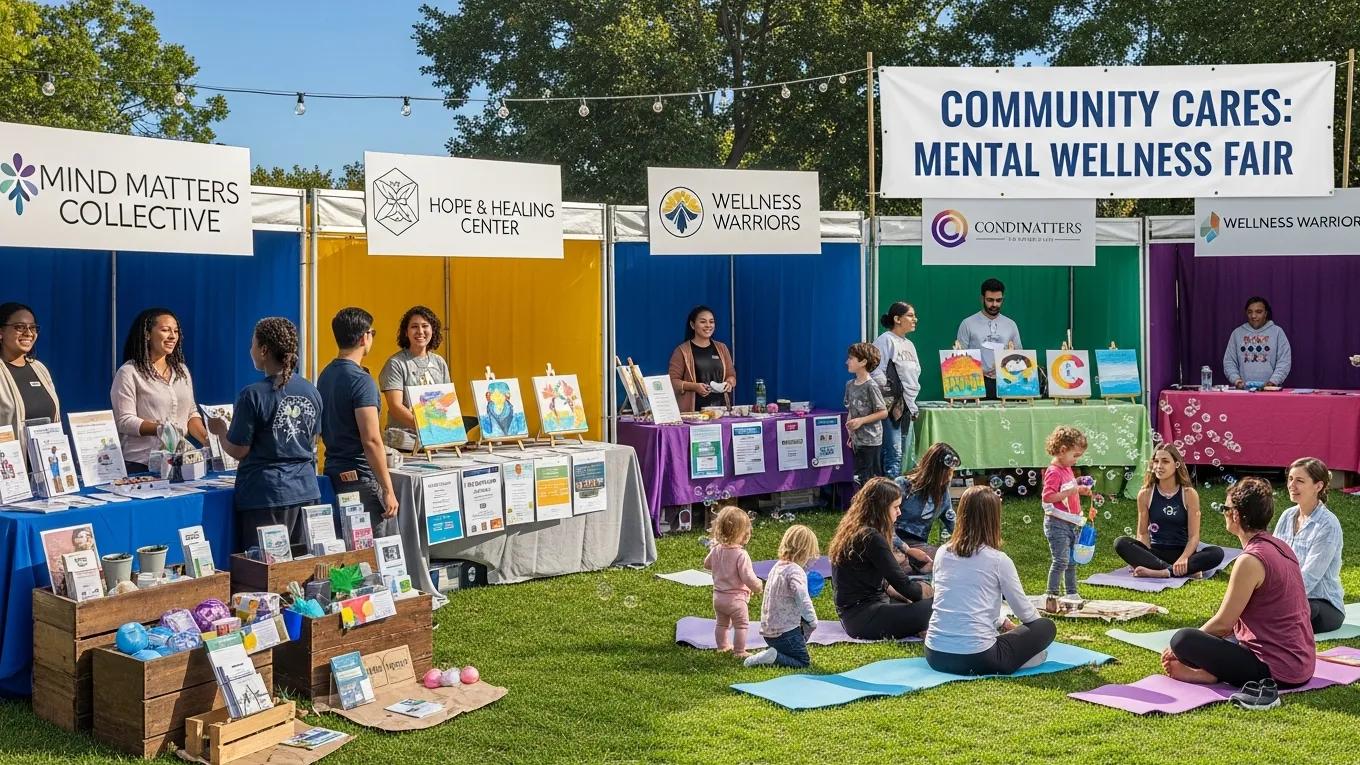
Community resources play a significant role in enhancing support and outcomes for individuals seeking mental health care. By connecting clients with local resources, providers can offer comprehensive support that addresses various aspects of their lives.
Examples of community resources include:
- Caregiver Support Programs: These programs provide assistance and education for family members and caregivers, enhancing their ability to support their loved ones.
- Peer Support Networks: Connecting clients with peers who have similar experiences fosters a sense of belonging and understanding.
- Wellbeing Initiatives: Community programs focused on wellness, such as exercise classes or nutrition workshops, can improve overall health and wellbeing.
By leveraging community resources, mental health providers can create a more supportive environment that promotes positive outcomes for clients.