Teletherapy Preparation Guide
Teletherapy Preparation Guide: Essential Tips and Checklist for Effective Virtual Mental Health Sessions
By Dr Charan Singh, Prismpath Health
Preparing for teletherapy can significantly enhance the effectiveness of virtual mental health sessions. As more individuals turn to online counseling, understanding how to set up technology, ensure privacy, and create a conducive environment becomes essential. This guide will provide you with the necessary tips and a checklist to optimize your teletherapy experience. By addressing common concerns and offering practical solutions, you can navigate the virtual landscape of mental health support with confidence. We will cover technology setup, privacy best practices, personal preparation, and the benefits and limitations of teletherapy.
How Do I Set Up Technology for a Successful Teletherapy Session?
Setting up the right technology is crucial for a successful teletherapy session. This involves ensuring you have the necessary devices and software, as well as a stable internet connection to facilitate smooth communication. Proper technology setup not only enhances the quality of the session but also minimizes disruptions that can affect the therapeutic process.
What Devices and Software Are Needed for Virtual Counseling?
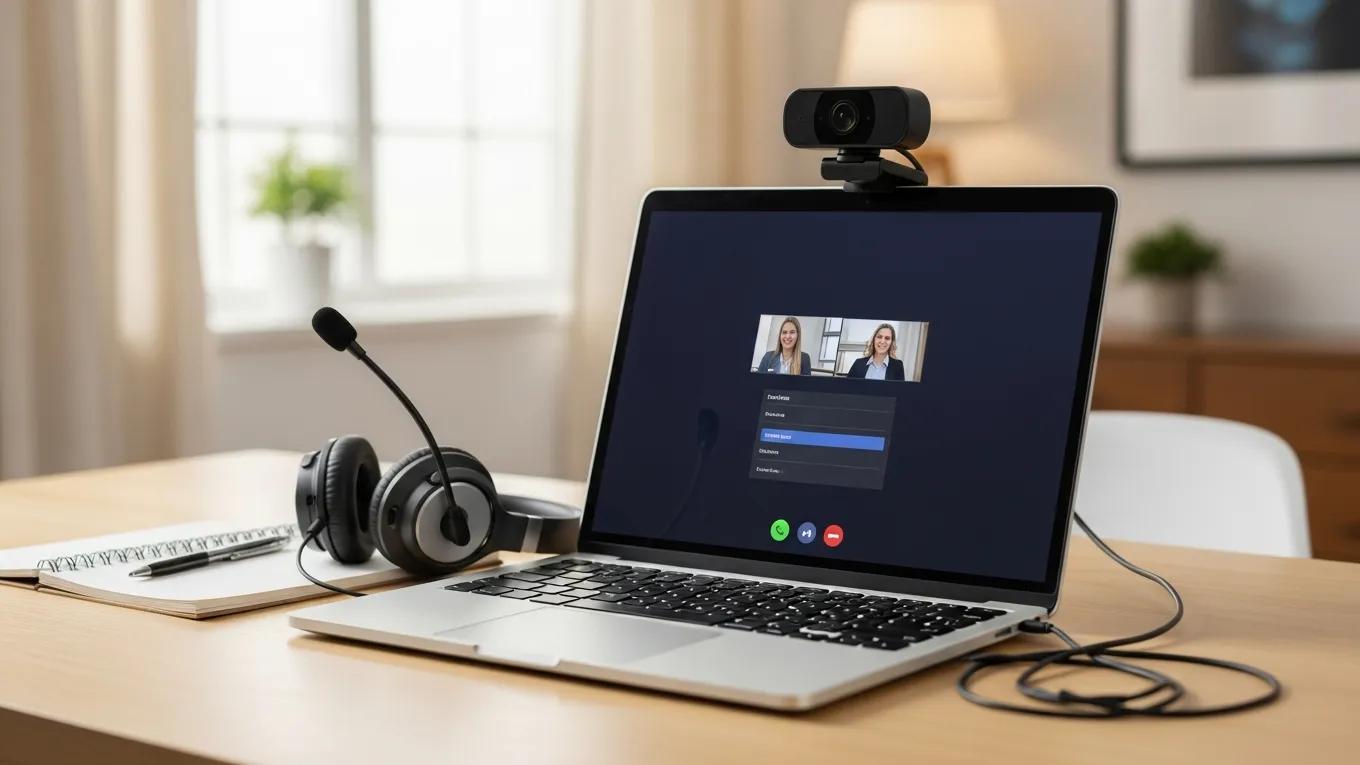
To participate in virtual counseling, you will need a few essential devices and software:
- Computer or Tablet: A reliable device with a camera and microphone is necessary for video conferencing.
- Webcam: If your device does not have a built-in camera, an external webcam will be required for video sessions.
- Headphones: Using headphones can help reduce background noise and improve audio clarity.
- Video Conferencing Software: Applications like Zoom, Skype, or specialized teletherapy platforms are essential for connecting with your therapist.
Having these tools ready will ensure that you can engage effectively during your sessions.
How Can I Ensure a Stable Internet Connection and Troubleshoot Common Issues?
A stable internet connection is vital for uninterrupted teletherapy sessions. Here are some tips to ensure your connection is reliable:
- Check Your Internet Speed: Use online speed tests to confirm that your connection meets the minimum requirements for video calls.
- Use a Wired Connection: If possible, connect your device directly to the router using an Ethernet cable for a more stable connection.
- Close Unnecessary Applications: Before your session, close any applications that may use bandwidth, such as streaming services or large downloads.
- Have a Backup Plan: In case of connectivity issues, have a backup device or a phone ready to continue the session.
By following these steps, you can minimize technical disruptions during your teletherapy sessions.
What Are the Best Practices to Protect Privacy and Security During Teletherapy?
Protecting your privacy and security during teletherapy is paramount. As sessions occur online, it is essential to create a confidential environment and follow data protection measures to safeguard your information.
How Do I Create a Confidential and Safe Environment for Online Therapy?
Creating a safe space for online therapy involves several key practices:
- Choose a Private Location: Select a quiet, private area where you will not be interrupted during your session.
- Use Headphones: This helps to keep conversations confidential and prevents others from overhearing.
- Secure Your Device: Ensure that your device is password-protected and that you are using secure networks to prevent unauthorized access.
These steps will help you maintain confidentiality and create a comfortable environment for your therapy sessions.
What Are Key Data Protection Measures to Follow in Virtual Mental Health Sessions?

Data protection is critical in teletherapy. Here are some measures to consider:
Research consistently highlights the ongoing need to strengthen security and privacy safeguards in digital mental healthcare services, especially given the sensitive nature of the information shared.
Bolstering Security & Privacy in Digital Mental Health Services
In the wake of the COVID-19 pandemic, a rapid digital transformation has taken place in the mental healthcare sector, with a marked shift towards telehealth services on web and mobile platforms. This transition, while advantageous in many ways, raises critical questions regarding data security and user privacy given the sensitive nature of the information exchanged. Our investigation uncovered that although a handful of mental healthcare web services comply with expert security protocols, they often lack crucial privacy policy provisions. In contrast, mobile applications exhibit deficiencies in security and privacy best practices. This research underscores the urgency to bolster security and privacy safeguards in digital mental healthcare services, concluding with pragmatic recommendations to fortify the confidentiality and security of healthcare data for all users.
Security and privacy of digital mental health: An analysis of web services and mobile applications, M Wheeler, 2023
- Use Encrypted Platforms: Ensure that the video conferencing software you use offers end-to-end encryption to protect your data.
- Limit Personal Information Sharing: Be cautious about sharing sensitive information during sessions, especially if you are unsure about the platform’s security.
- Regularly Update Software: Keep your devices and applications updated to protect against security vulnerabilities.
Implementing these data protection measures will enhance your security during teletherapy.
How Should I Prepare Myself and My Space for an Effective Teletherapy Session?
Preparation is key to maximizing the benefits of teletherapy. This includes both personal readiness and optimizing your physical space for the session.
What Is an Online Therapy Session Checklist to Optimize My Experience?
To ensure you are fully prepared for your teletherapy session, consider the following checklist:
- Test Your Technology: Check your camera, microphone, and internet connection before the session.
- Prepare Your Materials: Have any necessary documents or notes ready for discussion.
- Set Your Intentions: Take a moment to reflect on what you want to achieve during the session.
Following this checklist will help you feel more organized and focused during your therapy.
How Can I Communicate Effectively and Maintain Etiquette in Virtual Counseling?
Effective communication is essential in teletherapy. Here are some etiquette tips to enhance your virtual sessions:
- Be Present: Minimize distractions by turning off notifications and focusing on the session.
- Use Clear Language: Speak clearly and concisely to ensure your therapist understands your concerns.
- Provide Feedback: Share your thoughts and feelings about the session openly to foster a productive dialogue.
By adhering to these communication guidelines, you can create a more effective therapeutic environment.
What Are the Benefits and Limitations of Teletherapy I Should Know?
Teletherapy offers unique advantages and some limitations compared to traditional in-person therapy. Understanding these can help you make informed decisions about your mental health care.
How Does Teletherapy Support Whole-Person Mental Health Care?
Teletherapy supports holistic mental health care by providing access to a range of services that cater to various needs. Benefits include:
- Accessibility: Individuals can access therapy from the comfort of their homes, reducing barriers to care.
- Flexibility: Teletherapy allows for more flexible scheduling, accommodating different lifestyles and commitments.
- Diverse Options: Clients can choose from a wider range of therapists and specialties, enhancing the likelihood of finding a good match.
These benefits make teletherapy a valuable option for many individuals seeking mental health support.
What Are Common Challenges and How Can I Address Them?
While teletherapy has many advantages, it also presents challenges that can affect the therapeutic experience. Common issues include:
- Technical Difficulties: Connectivity issues can disrupt sessions. Preparing in advance can help mitigate this.
- Limited Non-Verbal Cues: The lack of physical presence may hinder communication. Practicing clear verbal communication can help bridge this gap.
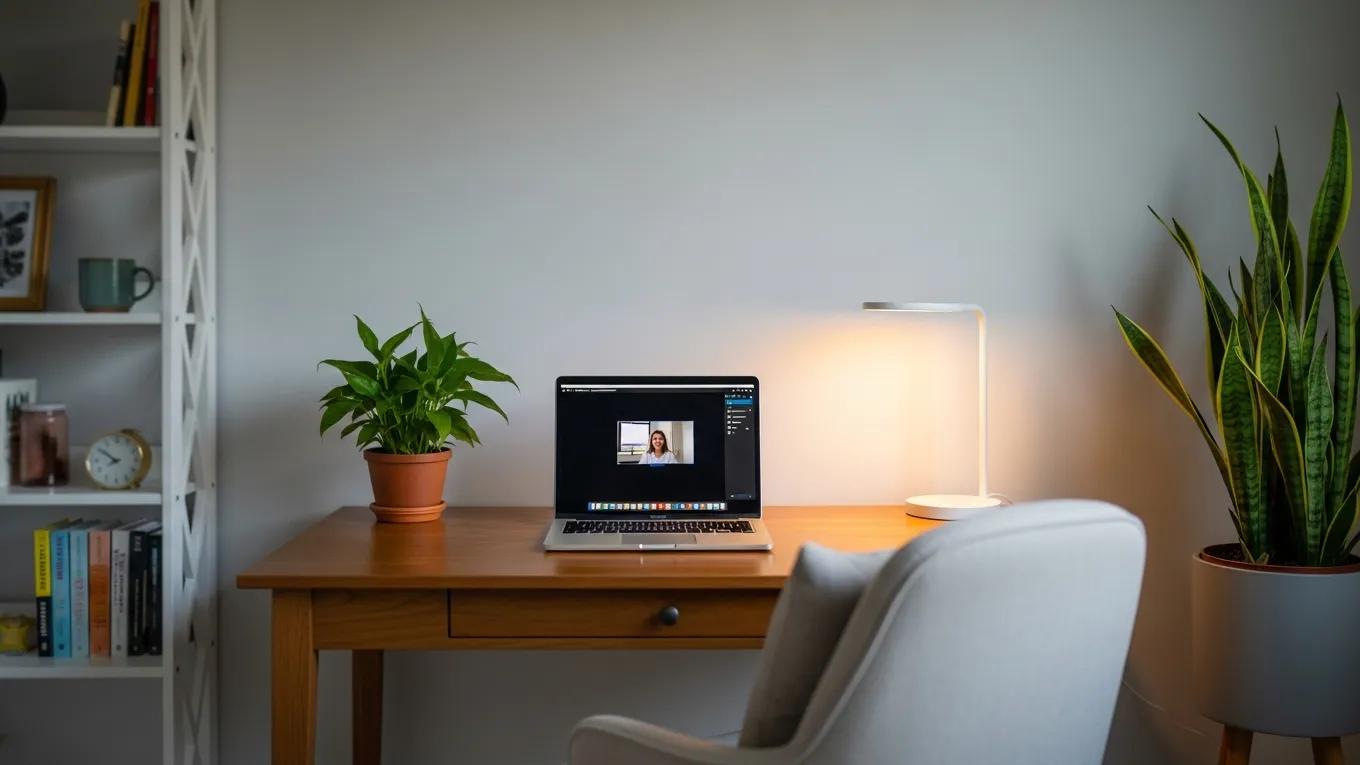
- Distractions at Home: Home environments can be distracting. Setting up a dedicated space for therapy can minimize interruptions.
By being aware of these challenges and preparing accordingly, you can enhance your teletherapy experience.